Blog
ketamine therapy
Dec
does ketamine therapy get you high

Understanding Ketamine
Originally developed as an anesthetic, ketamine has been used in medical settings for decades. It’s known for its ability to induce a trance-like state while providing pain relief and sedation. When used at higher doses, ketamine can indeed cause hallucinations and an altered state of consciousness, which some might describe as a “high.”
The Origins of Ketamine
Ketamine was first synthesized in the 1960s as a safer alternative to phencyclidine (PCP), which was known for its severe side effects. Its development was guided by the need for an anesthetic that could be used in both human and veterinary medicine. Ketamine’s unique ability to sedate without depressing respiratory function made it an invaluable tool in medical procedures. Does ketamine therapy get you high
Medical Applications of Ketamine
Beyond its anesthetic properties, ketamine has been used in emergency medicine to manage acute pain and sedation in trauma cases. Its rapid action and reliable effects have made it a staple in surgery and battlefield medicine. Over time, its potential in treating mental health disorders began to be explored, leading to its use in therapy today.
Ketamine’s Chemical Structure and Function
Ketamine functions as an NMDA receptor antagonist, affecting the glutamate system in the brain. This action is thought to play a crucial role in its antidepressant effects. By modulating neurotransmitter activity, ketamine can rapidly alter mood and perception, offering relief from symptoms of depression and anxiety. Does ketamine therapy get you high
Effects of Ketamine
The effects of ketamine can vary significantly depending on the dosage and method of administration. At low doses, ketamine can act as a pain reliever and mood enhancer. However, at higher doses, it can lead to dissociative experiences—where users feel detached from their body or reality.
Low-Dose Effects
In therapeutic settings, ketamine is administered in carefully controlled, low doses. At these levels, patients often report a sense of calm and relaxation. Some describe a mild euphoria or an uplifted mood, which contrasts with the more intense hallucinations seen at recreational doses. Does ketamine therapy get you high Does ketamine therapy get you high
High-Dose and Dissociative Effects
When taken in higher doses, ketamine can induce profound dissociative states. Users might experience vivid hallucinations, a sense of floating, or a complete detachment from their physical body. These effects are largely unwanted in therapeutic settings and are primarily associated with recreational misuse.
The Spectrum of Ketamine Experiences
The experience of ketamine can be highly subjective, influenced by factors such as individual physiology, mental state, and environmental context. While some may find the dissociative effects disorienting, others may perceive them as enlightening. Therapeutic use aims to harness the positive aspects while minimizing disorientation. Does ketamine therapy get you high
Recreational Use vs. Therapeutic Use
Recreationally, ketamine is sometimes used for its hallucinogenic properties. Users may experience vivid visual and auditory distortions, a feeling of floating, or a sense of detachment from reality. These effects are often associated with the recreational use of ketamine, which poses legal and health risks.
Risks of Recreational Use
Recreational use of ketamine can lead to a range of health and legal issues. Frequent use can result in bladder damage, cognitive impairment, and addiction. Additionally, the legal ramifications of possessing or distributing ketamine without a prescription can be severe, leading to criminal charges. Does ketamine therapy get you high
Therapeutic Administration and Safety
In a therapeutic setting, ketamine is administered under controlled conditions, often in much lower doses than those used recreationally. The goal is not to induce a high but to harness its potential benefits for mental health. Medical supervision ensures that the treatment is safe and that any adverse effects can be promptly managed.
The Role of Set and Setting
The environment in which ketamine is administered plays a crucial role in its effects. In therapeutic settings, creating a calm and supportive atmosphere helps to maximize the treatment’s benefits. Patients are often encouraged to relax and engage with the process, enhancing the therapy’s effectiveness. Does ketamine therapy get you high
Ketamine Therapy Effects
How Ketamine Therapy Works
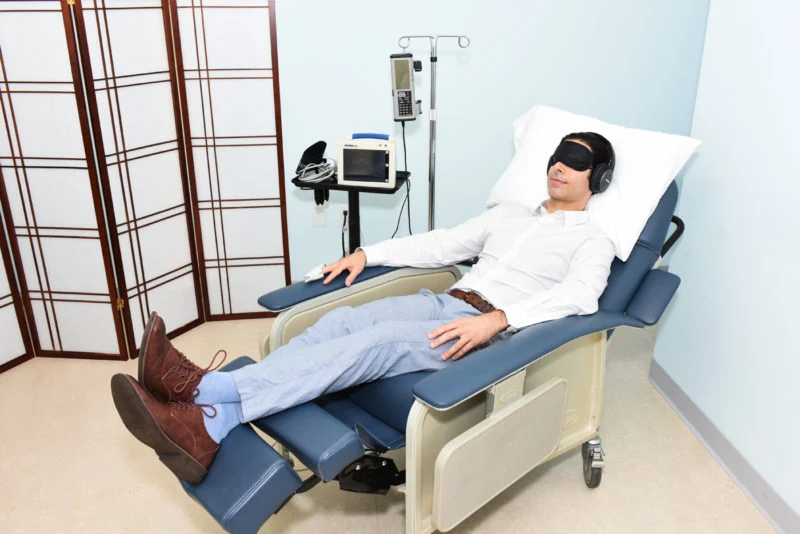
Ketamine therapy typically involves intravenous infusions administered in a clinical setting. The doses used are carefully calibrated to minimize dissociative effects while providing therapeutic benefits. During a ketamine therapy session, patients are closely monitored by medical professionals to ensure safety and comfort.
The Infusion Process
The infusion process begins with a thorough assessment of the patient’s medical history and current mental health status. During the session, the patient is comfortably seated or reclined, and an intravenous line is established. The infusion takes place over a period of 40 to 60 minutes, during which the patient may experience mild alterations in perception. Does ketamine therapy get you high
Monitoring and Support
Throughout the session, medical staff monitor vital signs such as heart rate, blood pressure, and oxygen levels. This continuous monitoring ensures that any adverse reactions are quickly addressed. Patients are also encouraged to communicate any discomfort or unusual sensations during the treatment.
Post-Treatment Care
After the infusion, patients are typically observed for a short period to ensure their well-being before being discharged. They may be advised to avoid driving or operating heavy machinery for the rest of the day. Follow-up appointments are often scheduled to assess the therapy’s effectiveness and discuss any ongoing treatment needs. Does ketamine therapy get you high
Ketamine Therapy Side Effects
While ketamine therapy is generally well-tolerated, there are potential side effects. Common side effects include nausea, dizziness, and mild dissociation. These effects are usually short-lived and subside shortly after the session. It’s important for patients to discuss any concerns with their healthcare provider before starting treatment.
Common Side Effects and Management
The most common side effects—such as nausea and dizziness—are typically mild and can be managed with supportive care. Patients are often advised to eat lightly before the session to reduce the risk of nausea. Hydration and rest can also help alleviate these temporary discomforts. Does ketamine therapy get you high
Addressing Emotional and Psychological Effects
Some patients may experience emotional or psychological effects during or after treatment. Feelings of anxiety or confusion can arise but are usually temporary. Healthcare providers can offer reassurance and support, helping patients process their experiences and integrate them into their therapeutic journey.
Rare and Serious Side Effects
While rare, more serious side effects such as severe dissociation or allergic reactions can occur. Medical staff are trained to recognize these situations and provide immediate intervention. Patients should report any unusual or concerning symptoms to their healthcare provider promptly. Does ketamine therapy get you high
Therapeutic Benefits
Research has shown that ketamine therapy can have rapid antidepressant effects, often providing relief within hours. This is particularly beneficial for individuals who have not responded to traditional antidepressants. Additionally, ketamine therapy may help reduce symptoms of anxiety, PTSD, and chronic pain.
Rapid Antidepressant Effects
One of the most remarkable benefits of ketamine therapy is its ability to produce rapid antidepressant effects. Unlike traditional antidepressants, which may take weeks to show results, ketamine can alleviate symptoms of depression within hours. This rapid onset is especially beneficial for individuals experiencing severe depressive episodes. Does ketamine therapy get you high
Treatment-Resistant Depression
For patients with treatment-resistant depression, ketamine offers a new avenue of hope. Many individuals who have tried multiple antidepressants without success find relief through ketamine therapy. This has made it a game-changer in the field of mental health treatment, offering a lifeline to those who had lost hope.
Broader Applications in Mental Health
Beyond depression, ketamine therapy has shown promise in treating a range of other mental health conditions. Studies suggest it may reduce symptoms of anxiety, post-traumatic stress disorder (PTSD), and chronic pain. As research continues, the potential applications of ketamine in mental health are likely to expand.
Does Ketamine Therapy Get You High?
The short answer is no, ketamine therapy is not intended to get you high. While some patients may experience mild dissociative effects during treatment, the doses used in therapeutic settings are much lower than those associated with recreational use. Does ketamine therapy get you high
Understanding the Therapeutic Experience
The therapeutic experience of ketamine is distinct from recreational use. While mild dissociative effects may occur, they are not the goal of treatment. Instead, the focus is on achieving mental clarity and relief from symptoms, allowing patients to engage more fully in their lives.
Why Do Some People Feel High?
Even at therapeutic doses, some patients may report feeling lightheaded or experiencing a sense of detachment during or after a session. This is not the same as the high associated with recreational use, and these sensations typically subside quickly. The primary focus of ketamine therapy is to provide mental health benefits, not to induce a high. Does ketamine therapy get you high
Distinguishing Therapeutic Effects from Euphoria
It’s important to distinguish between therapeutic effects and euphoria. While some patients might feel uplifted or relaxed, these sensations are part of the therapeutic process and not akin to a recreational high. The goal is to foster healing and recovery, not temporary pleasure.
The Importance of Medical Supervision
Ketamine therapy should always be administered by qualified healthcare professionals in a controlled environment. This ensures that the treatment is both safe and effective. Medical supervision helps to minimize potential side effects and allows for immediate intervention if any adverse reactions occur. Does ketamine therapy get you high
 Ensuring Patient Safety
Patient safety is the top priority during ketamine therapy. Qualified healthcare providers are trained to administer the drug safely and manage any complications that may arise. This level of care is crucial in ensuring that patients receive the maximum benefit from their treatment.
The Role of the Healthcare Provider
Healthcare providers play a critical role in ketamine therapy, from initial assessment to post-treatment follow-up. They guide patients through the process, addressing any questions or concerns. Their expertise ensures that the treatment is tailored to the individual needs of each patient. Does ketamine therapy get you high
Addressing Concerns and Building Trust
Building trust between patients and healthcare providers is essential for successful treatment. Open communication about potential effects, benefits, and risks fosters a collaborative environment. Patients are encouraged to ask questions and express concerns, allowing for a more personalized therapeutic experience.
Conclusion
Ketamine therapy offers a novel approach to treating mental health conditions, providing benefits that are distinct from traditional medications. While it’s understandable to associate ketamine with recreational use and the concept of getting high, therapeutic ketamine is a carefully monitored process aimed at improving mental health. Does ketamine therapy get you high
Embracing New Treatment Options
As mental health treatment evolves, embracing new options like ketamine therapy can offer fresh hope to those struggling with persistent symptoms. Its unique mechanism of action provides an alternative to traditional treatments, broadening the possibilities for mental health recovery.
Consulting with Healthcare Providers
For individuals considering ketamine therapy, it’s crucial to consult with a healthcare provider to discuss potential effects, benefits, and risks. With the proper guidance, ketamine therapy can be a valuable tool in the journey toward mental wellness. A healthcare provider can help determine if ketamine is the right choice based on individual circumstances.
The Future of Ketamine Therapy
With ongoing research and clinical trials, the future of ketamine therapy looks promising. As understanding of its effects grows, it may become an even more integral part of mental health treatment plans. The continued exploration of its potential benefits will likely lead to new applications and improved therapeutic protocols. Does ketamine therapy get you high
Final Thoughts
It’s important to approach ketamine therapy with an open mind and a clear understanding of its purpose. Remember, the aim is not to experience a high but to find relief from debilitating mental health symptoms. As research and clinical practice continue to evolve, ketamine therapy may become an even more integral part of mental health treatment plans.
Maintaining Realistic Expectations
Maintaining realistic expectations is key to a successful ketamine therapy experience. While it can offer significant benefits, it’s not a cure-all. Patients should be prepared for a process that may require multiple sessions and ongoing evaluation to achieve optimal results.
The Role of Continued Research
Continued research into ketamine therapy is essential for refining its use and expanding its applications. As new findings emerge, they have the potential to enhance our understanding and improve patient outcomes. Staying informed about the latest developments can empower patients and providers alike. Does ketamine therapy get you high
Navigating the Path to Wellness
Navigating the path to wellness with ketamine therapy involves a commitment to the therapeutic process and collaboration with healthcare professionals. By approaching treatment with openness and a willingness to engage, patients can maximize the benefits of ketamine therapy and move toward a healthier, more fulfilling life.
Table of Contents
