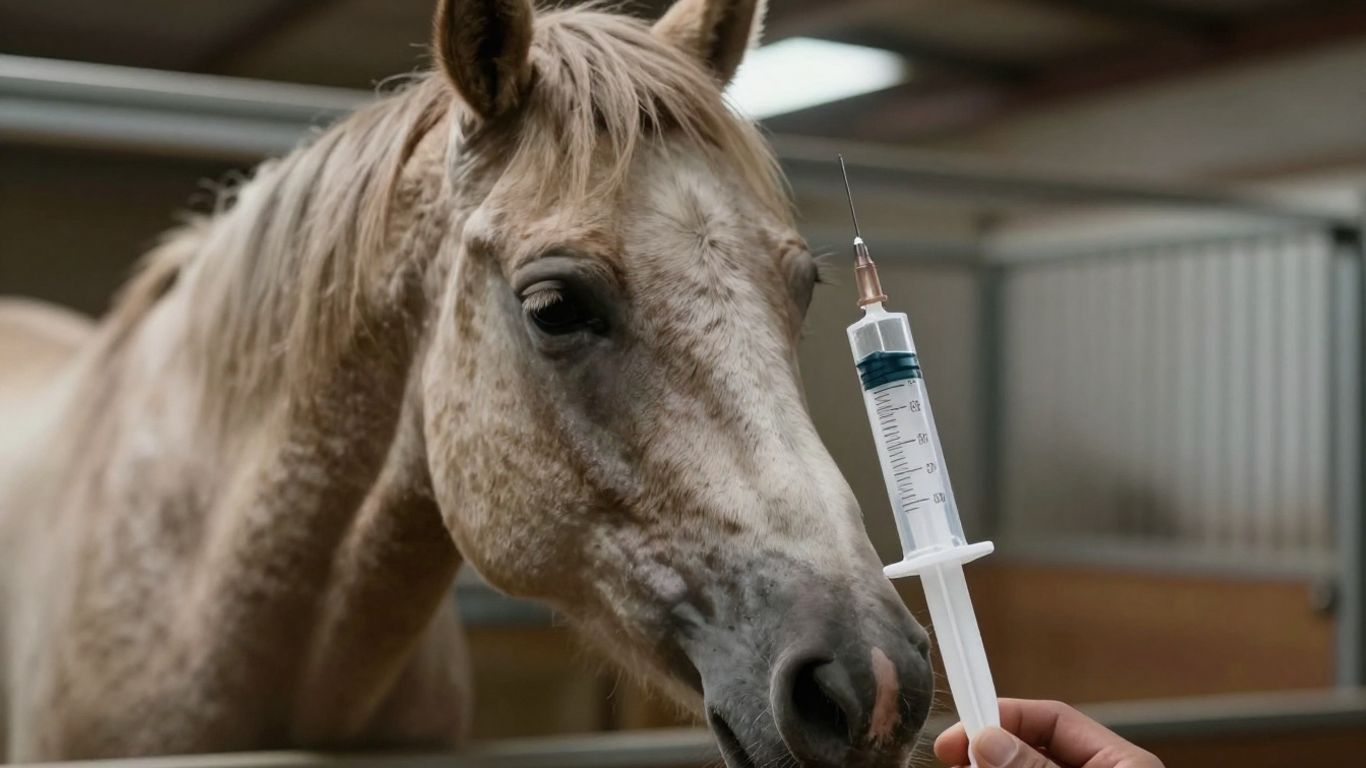
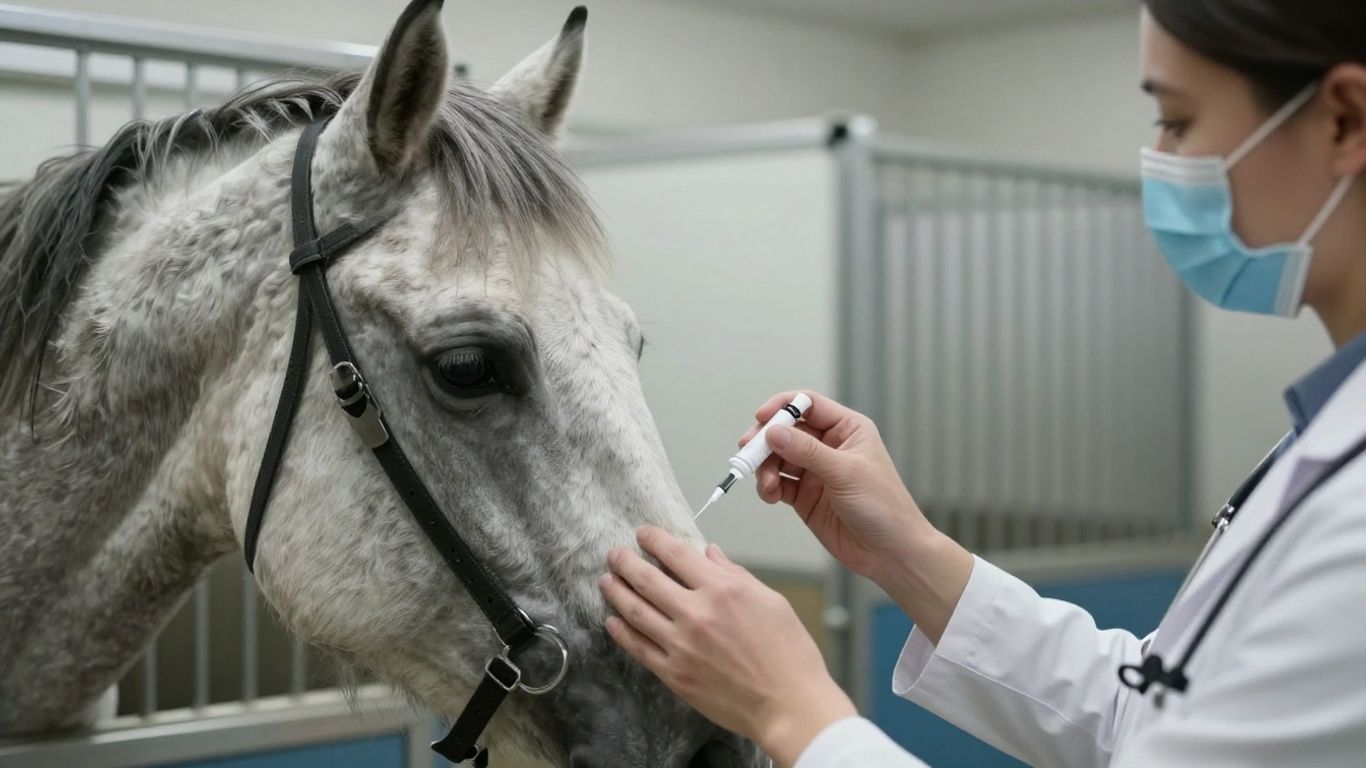
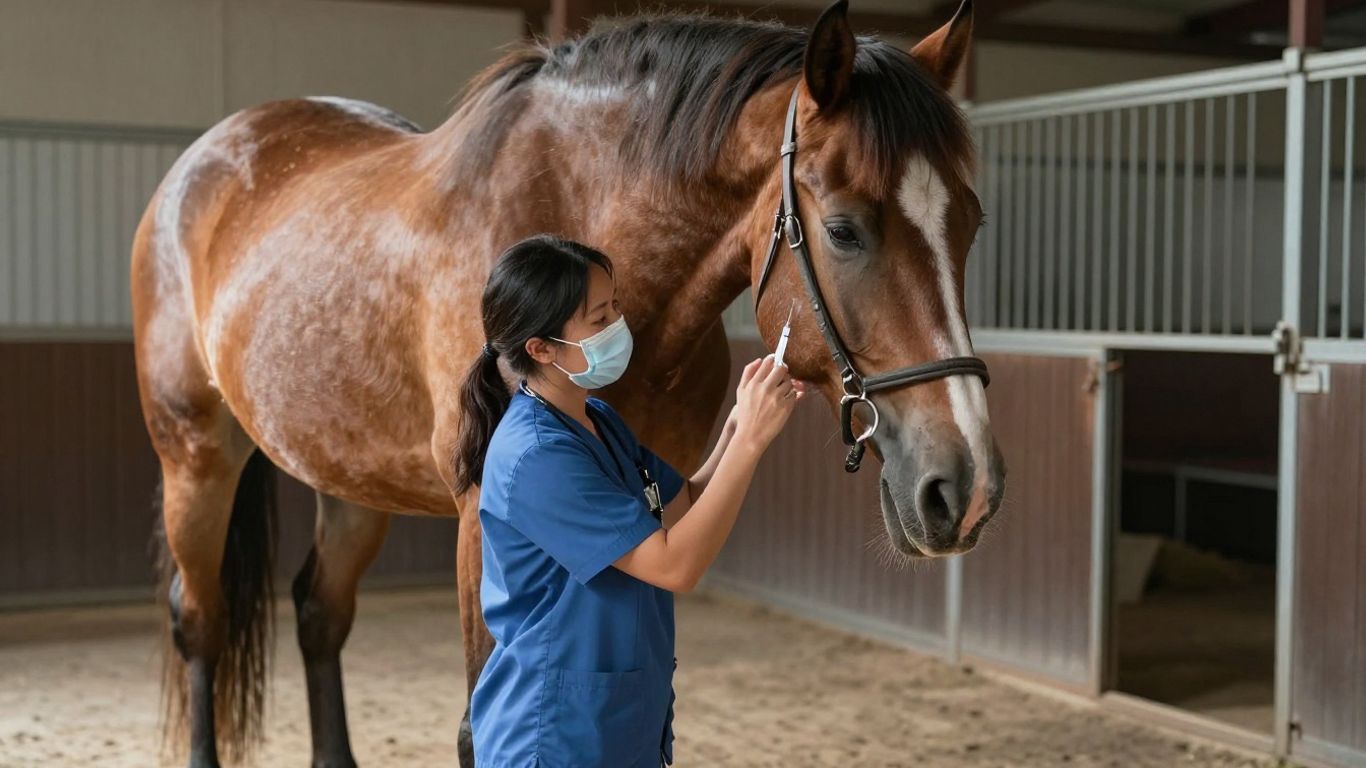
When people talk about tranquilizing horses, they might be thinking about ketamine. It’s a drug that’s been used for a long time in animal care, especially for horses. But is ketamine a horse tranquilizer? It’s more complicated than a simple yes or no. This drug does a lot more than just calm an animal down; it provides anesthesia and pain relief, making it a useful tool for vets, but it comes with specific uses and rules.
Is ketamine a horse tranquilizer Key Takeaways
Ketamine is a drug used in veterinary medicine for anesthesia and pain relief, not just as a simple tranquilizer.
It works by affecting the brain’s receptors, leading to a state of dissociation and reduced pain.
Veterinarians use ketamine for various procedures, from short field surgeries to helping animals recover from other anesthetics.
Getting ketamine requires a prescription from a licensed vet, and it’s available through drug makers or special compounding pharmacies.
When animals, especially horses, are given ketamine, they need careful monitoring during recovery, including not eating right away to avoid problems.
Understanding Ketamine’s Role in Animal Anesthesia
Ketamine is a pretty interesting drug when it comes to putting animals under for procedures. It’s known as a dissociative anesthetic, which is a bit of a mouthful, but basically, it makes the animal feel detached from its surroundings. This detachment is key to how it works. Is ketamine a horse tranquilizer
Ketamine as a Dissociative Anesthetic
When ketamine is administered, it causes a state where the animal appears to be awake but is actually unaware of what’s going on. Their eyes might stay open, and they can sometimes move around a bit, but they aren’t really processing their environment. This is different from other anesthetics that might put an animal into a deep sleep. This dissociative state is what allows for a unique type of anesthesia. It’s particularly useful because it often maintains certain reflexes, like swallowing, which can be helpful in preventing complications.
Analgesic Properties of Ketamine
Beyond just numbing the animal, ketamine also has analgesic properties. This means it helps manage pain. It works by blocking certain receptors in the brain, specifically NMDA receptors, which are involved in pain signaling. This dual action – anesthesia and pain relief – makes it a valuable tool for veterinarians, especially for procedures that might be uncomfortable.
Maintaining Protective Reflexes During Anesthesia
One of the big advantages of ketamine is that it tends to keep some of the body’s natural protective reflexes intact. Things like the gag reflex and the cough reflex can remain active. This is important because it helps prevent things like aspiration, where foreign material might enter the lungs. While the animal is anesthetized, these reflexes can offer a layer of safety during the procedure. It’s not a guarantee, of course, but it’s a notable characteristic that sets it apart from some other anesthetic agents. For instance, it’s often used for short procedures where maintaining these reflexes is beneficial, like with ketamine hydrochloride injection for cats.
While ketamine provides anesthesia and pain relief, it’s important to remember that it’s not a one-size-fits-all solution. The way an animal responds can depend on the species, the dose, and the individual animal’s health. Veterinarians carefully consider these factors when deciding if ketamine is the right choice.
Ketamine Use in Veterinary Medicine
Ketamine as a Dissociative Anesthetic
Ketamine is a pretty common choice for certain veterinary procedures, especially when you need a quick anesthetic effect. It works by causing a state called dissociative anesthesia. Basically, the animal’s brain gets disconnected from certain sensory inputs, leading to a trance-like state. This means they can still have some reflexes, which can be a good thing in some situations, but it’s something to keep in mind. It’s known for providing a rapid onset of anesthesia.
Analgesic Properties of Ketamine
One of the big pluses with ketamine is its pain-relieving ability. It’s not just about putting an animal to sleep; it actually helps manage pain during and after a procedure. This is super helpful for surgeries or even just for minor interventions where pain control is a priority. It works on different pathways in the body to reduce the sensation of pain.
Maintaining Protective Reflexes During Anesthesia
Unlike some other anesthetics that can really suppress everything, ketamine tends to keep certain protective reflexes active. Things like swallowing and coughing might still be present. The animal’s eyes often stay open, and the pupils might be dilated, which is a bit unusual but typical for ketamine. This can be beneficial because it means the body is still trying to protect itself in some ways, though it does require careful monitoring.
Pharmacological Actions of Ketamine
NMDA Receptor Antagonism
Ketamine works primarily by blocking something called NMDA receptors in the brain. Think of these receptors as gates that usually let in a chemical messenger called glutamate. Glutamate is like a “go” signal for brain activity. When ketamine blocks these gates, it stops glutamate from getting through, which essentially slows down brain communication. This disruption is what leads to the dissociative state and pain relief. It’s a bit like turning down the volume on certain brain signals.
Interaction with Opioid and Monoaminergic Receptors
It’s not just NMDA receptors that ketamine plays with. It also interacts with other systems in the brain, including the opioid and monoaminergic pathways. These interactions add to its pain-killing abilities. The opioid system is famously involved in pain perception, and ketamine’s influence here can boost its analgesic effects. The monoaminergic system, which involves neurotransmitters like serotonin and norepinephrine, also plays a role in mood and pain processing, and ketamine’s interaction here might contribute to its overall effects.
Anticholinergic Effects and Sympathomimetic Action
Ketamine has a couple of other tricks up its sleeve. It can act like an anticholinergic, which means it can block the effects of acetylcholine. This can lead to things like dry mouth, dilated pupils, and even a bit of delirium in some cases. At the same time, it has a sympathomimetic action, meaning it can stimulate the “fight or flight” response. This often results in increased heart rate and blood pressure. So, you get a mix of effects: some that calm things down (like blocking NMDA) and some that rev things up (like stimulating the sympathetic system).
Here’s a quick look at some of its key actions:
NMDA Receptor Blockade: Primary mechanism for dissociation and analgesia.
Opioid Receptor Interaction: Contributes to pain relief.
Monoaminergic Receptor Interaction: Further pain modulation and potential mood effects.
Anticholinergic Effects: Can cause dry mouth, pupil dilation.
Sympathomimetic Action: Leads to increased heart rate and blood pressure.
It’s this complex interplay of actions that makes ketamine a unique anesthetic agent, providing pain relief while maintaining certain reflexes, which is particularly useful in veterinary medicine.
Acquiring Ketamine for Veterinary Use
So, you need to get your hands on some ketamine for your veterinary practice. It’s not exactly something you can pick up at the corner store, you know? There are specific channels you have to go through, and it’s all about making sure it’s used correctly and safely. Getting ketamine legally requires a veterinarian’s prescription.
Availability Through Pharmaceutical Manufacturers
Your first stop for ketamine is usually through established pharmaceutical companies that specialize in animal health products. These manufacturers produce ketamine in various forms, often as injectable solutions. They have strict distribution networks, and you’ll need to have an account with them, along with the proper licensing and paperwork to order. It’s a pretty straightforward process if you’re an established practice, but it does involve dealing with regulated suppliers.
Veterinary Custom Compounding Options
Sometimes, you might need a specific concentration or formulation of ketamine that standard manufacturers don’t offer. That’s where veterinary custom compounding pharmacies come in. These specialized pharmacies can prepare tailored medications based on a veterinarian’s prescription. This can be super helpful if you’re working with a particular species or need a unique dosage form. They work closely with vets to meet specific patient needs.
Prescription Requirements for Dispensing
This is the big one. You absolutely cannot get ketamine without a valid prescription from a licensed veterinarian. This applies whether you’re ordering from a manufacturer or a compounding pharmacy. The prescription needs to be clear, detailing the drug, dosage, concentration, quantity, and the patient it’s intended for. It’s a legal requirement to prevent misuse and ensure the drug is administered by trained professionals. Think of it like this:
Valid Prescription: A licensed vet must write it.
Specific Details: Drug name, strength, amount, and patient info are mandatory.
Authorized Dispensing: Only licensed pharmacies or manufacturers can fill it.
Remember, ketamine is a controlled substance in many places, and its use is strictly regulated. Always follow federal and state laws regarding its procurement and administration. It’s not just about having the drug; it’s about having the right authorization and following all the rules.
Ketamine Anesthesia in Zoo and Wildlife Settings
Working with zoo animals and wildlife brings unique challenges, especially when anesthesia is needed. Whether it’s a tiger that needs a health exam or a deer rescued by wildlife services, ketamine is often the go-to choice because it works quickly and helps minimize stress. Let’s break down how ketamine is handled in these situations.
Adapting Protocols for Difficult Conditions
Animals in zoos or the wild usually aren’t too excited to cooperate when it comes to injections or examinations. While some zoo animals can be trained to accept shots more easily, most wildlife or more high-strung zoo species require special consideration. Veterinarians usually:
Adjust drug protocols according to the animal’s temperament and species
Tailor doses to account for variables like size, age, and health
Try to keep handling times as short as possible to reduce distress
It’s common for anesthetic plans to be tweaked on the fly, depending on how the animal responds.
Remote Administration Techniques
Most wild or dangerous animals can’t be approached up close for safety reasons. That’s where remote delivery methods come in. Here are the most popular ones:
Pole syringes for animals within reach
Blowpipes or CO2-powered dart guns for animals at a distance
Compressed gas pistols for quick delivery in larger spaces
Method
Range (Feet)
Use Case
Pole syringe
3–6
Small or caged animals
Blowpipe
10–20
Skittish or mid-sized species
CO2 dart gun
20–100
Large, free-ranging wildlife
Minimizing Stress and Injury Risks
Stress can make anesthesia more dangerous. Reducing panic and injury risk is a top priority. Here’s how teams handle it:
Limit the animal’s awareness of human presence
Choose anesthetic drugs that work fast (like ketamine) so the animal goes under quickly
Use low-stimulation environments for recovery, like quiet holding areas or darkened rooms
Fast-acting anesthetics like ketamine can make all the difference, helping animals wake up smoothly and safely after procedures.
Every case is a bit different, but by adapting techniques and focusing on the animal’s well-being, veterinary teams make anesthesia as safe as possible—even in the toughest settings.
Recovery Considerations with Ketamine
Superior Recovery Compared to Other Agents
When it comes to getting your horse back on its feet after anesthesia, ketamine often gets a nod for its generally smooth recovery process. Many vets find that horses tend to bounce back from ketamine-based anesthesia with fewer complications compared to older anesthetic methods like thiobarbiturates or even some inhalation agents. This can mean a quicker return to normal behavior and less time spent monitoring for post-anesthetic issues. It’s not always perfect, of course, but it’s a point in its favor.
Importance of Post-Anesthesia Feeding Restrictions
One thing you absolutely have to remember after any anesthesia, especially with horses, is about food. Because their swallowing reflexes might still be a bit sluggish even after they seem awake, there’s a real risk of choking if they try to eat or drink too soon. This is why vets are pretty strict about when you can offer food or water again. It’s all about preventing a serious problem like esophageal obstruction.
Wait for the horse to be fully alert and responsive.
Check for normal swallowing reflexes.
Start with small amounts of water first.
Gradually introduce hay or a mash.
Ensuring Full Recovery from Anesthesia
Full recovery isn’t just about the horse standing up. It means they’re back to their normal selves, mentally and physically. This includes having their coordination back, no lingering grogginess, and all their bodily functions working as they should. Sometimes, especially if ketamine was used with other drugs, it might take a bit longer for everything to settle. Keep an eye on your horse for any unusual signs, and don’t hesitate to call your vet if you’re concerned.
It’s easy to think recovery is done once the horse is standing, but true recovery means the animal is back to its baseline state, both physically and mentally, without any residual effects from the anesthetic drugs. This takes time and careful observation.
Wrapping Up
So, if you’re looking into ketamine for animal care, remember it’s a serious medication. It’s used for anesthesia and pain relief in animals, especially horses and zoo animals, but it’s not something to mess with. You absolutely need a prescription from a vet. Trying to get it without one is a no-go and could cause big problems. Always work with a professional to make sure it’s used safely and correctly for the animal’s well-being.
Frequently Asked Questions
What is ketamine and how does it work for animals?
Ketamine is a type of medicine that makes animals feel like they’re in a different reality, kind of like a trance. It helps them relax and not feel pain, which is super useful for vets when they need to do things like check on an animal or perform a quick surgery. It works by affecting how the brain sends signals, making it harder for pain messages to get through.
Can ketamine be used for all animals?
Ketamine is used for many different animals, including horses, zoo animals, and wildlife. Vets carefully choose the right amount based on the animal’s size and the procedure. It’s especially helpful for animals that might be hard to handle or are in remote locations because it can be given quickly and effectively.
Is ketamine safe for animals?
When used by a trained veterinarian, ketamine is generally considered safe for animals. Vets know how much to give and how to monitor the animal during and after the procedure. They make sure the animal is breathing okay and stays comfortable. Like any medicine, there are risks, but vets work to keep those risks as low as possible.
How do vets get ketamine for animal use?
Vets get ketamine from special companies that make medicines for animals. Sometimes, if a specific mix is needed, they can get it specially made by compounding pharmacies. To get ketamine, a vet must write a prescription, just like a human doctor would for a patient.
What happens after an animal has ketamine?
Animals usually wake up pretty well after ketamine. They might seem a bit groggy at first, which is normal. Vets often tell owners not to feed the animal right away, especially horses, to prevent problems like choking as they fully recover. It’s important to make sure the animal is completely back to normal before eating or drinking.
Can ketamine help with pain in animals?
Yes, ketamine is really good at helping with pain, not just for making animals sleepy. It works in a different way than some other pain medicines, by blocking certain signals in the brain. This means it can be used to help manage ongoing pain or discomfort in animals.
Table of Contents
Is ketamine a horse tranquilizer >> Is ketamine a horse tranquilizer >> Is ketamine a horse tranquilizer >> Is ketamine a horse tranquilizer >> Is ketamine a horse tranquilizer >> Is ketamine a horse tranquilizer >> Is ketamine a horse tranquilizer >> Is ketamine a horse tranquilizer >> Is ketamine a horse tranquilizer >> Is ketamine a horse tranquilizer >> Is ketamine a horse tranquilizer >> Is ketamine a horse tranquilizer >> Is ketamine a horse tranquilizer >> Is ketamine a horse tranquilizer >> Is ketamine a horse tranquilizer >> Is ketamine a horse tranquilizer >> Is ketamine a horse tranquilizer >> Is ketamine a horse tranquilizer >> Is ketamine a horse tranquilizer >> Is ketamine a horse tranquilizer >> Is ketamine a horse tranquilizer >> Is ketamine a horse tranquilizer >> Is ketamine a horse tranquilizer >> Is ketamine a horse tranquilizer >> Is ketamine a horse tranquilizer